What a Normal Period Looks Like

Most women were told that periods happen once a month and last a few days, and that was about it. Nobody explained what the blood would actually look like, why it changes colour, what clots are and when to worry about them, or how much flow is genuinely too much. Without that honest baseline, it is easy to spend years either alarmed by things that are completely normal or dismissing things that warrant attention. Both problems come from the same gap in education. This article fills it.
A normal period lasts between 2 and 7 days and involves a total blood loss of between 5 and 80 millilitres across the entire period. Flow is typically heaviest in the first one to two days and tapers off. Colour ranges from bright red to dark brown to near-black and may change within a single period. Small clots up to the size of a ten-pence coin (around 2.5 centimetres) are common and not a cause for concern. Anything outside these ranges consistently, including bleeding that soaks through a pad or tampon every hour for several hours, clots larger than the size of a golf ball, or periods lasting longer than 7 days regularly, warrants a conversation with a healthcare provider.
Duration
A normal period lasts between 2 and 7 days. Most women experience their heaviest flow in the first day or two, with flow becoming progressively lighter towards the end. Some women have periods that are consistently at the shorter end of this range; others are consistently at the longer end. Both are normal, provided the pattern is stable and not associated with significant symptoms.
A period that regularly extends beyond 7 days is worth discussing with a healthcare provider, as is a sudden change in how long periods last when nothing obvious has changed.
Flow Volume: What Counts as Heavy
Total blood loss across an entire period is typically between 5 and 80 millilitres. That range is wider than most people expect. For context, 80 millilitres is roughly five to six tablespoons. A single fully soaked regular tampon or pad holds around 5 millilitres.
Measuring flow precisely is not practical for most people. More useful markers: if you are regularly soaking through a pad or tampon every hour for two or more consecutive hours, that is considered heavy bleeding and is worth investigating. If you are passing large clots frequently, bleeding through clothing, or needing to use double protection (a tampon and a pad together), these are signs that flow may be above the typical range.
The clinical term for heavy menstrual bleeding is menorrhagia. It is common, underreported, and treatable. Heavy periods are not simply something to manage or push through. They can cause iron deficiency anaemia over time, with symptoms including fatigue, breathlessness, and difficulty concentrating.
Colour: What the Range Means
Period blood changes colour throughout a period, and across different periods, and all of the following are normal:
Bright red blood is fresh and moving quickly through the body. It is most common during the heaviest flow days.
Dark red or cranberry red is also normal and simply indicates blood that has taken slightly longer to exit.
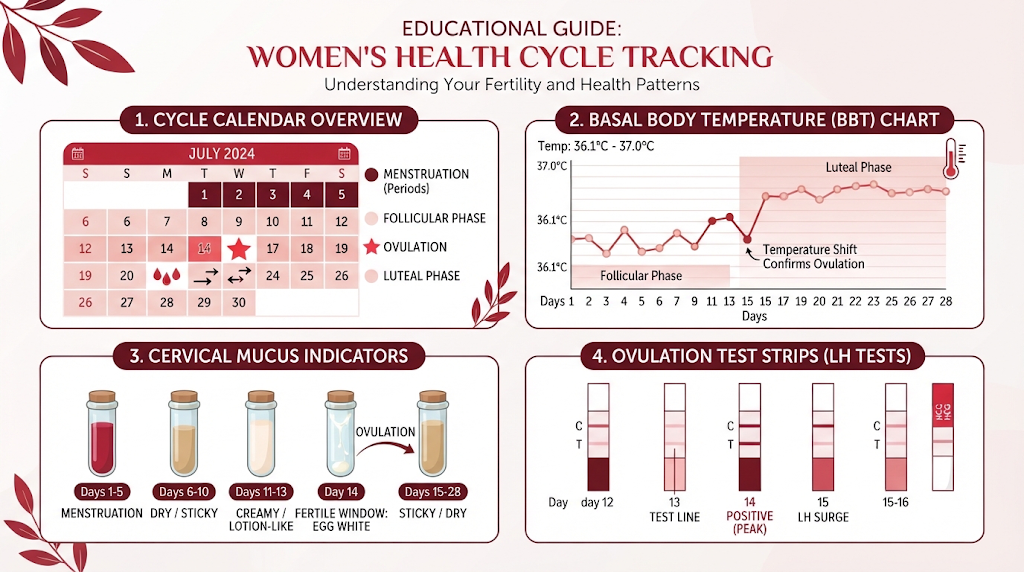
Brown or rust-coloured blood is older blood that has had time to oxidise before leaving the body. It is very common at the start of a period (particularly the first day, which may begin as light spotting rather than a full flow) and at the end, when flow slows and blood sits for longer before being expelled.
Near-black blood follows the same logic as dark brown: it is old blood that has oxidised. It can look alarming but is typically seen at the start or end of a period and is not a cause for concern on its own.
Pink or light pink spotting can appear at the start of a period when flow is very light, or at the tail end. Persistent pink spotting between periods is worth mentioning to a healthcare provider.
Grey or greenish discharge mixed with bleeding is not normal period blood and should be assessed by a healthcare provider promptly.
Clots: When They Are Normal
Clots in period blood are common and, within certain limits, entirely normal. The body produces anticoagulants to prevent blood from clotting inside the uterus, but on heavy flow days, the blood can pass through faster than those anticoagulants can act, resulting in clots.
Small clots, up to roughly the size of a coin, are normal. Clots that are larger than a golf ball, passed frequently throughout a period, or accompanied by very heavy flow are worth investigating. Conditions including fibroids, adenomyosis, and polyps can cause abnormally heavy periods with significant clotting.
Texture and Other Characteristics
Period blood has a different consistency to blood from a cut. It may be thicker or more viscous on heavy days, and thinner and more watery at the start and end. Tissue that is slightly different in texture from liquid blood can also be present: this is generally uterine lining rather than clots and is normal.
Menstrual blood does not smell the same as blood from a wound. Some odour is normal and results from blood interacting with the natural bacteria present in the vagina. A strong, unpleasant, or fishy odour accompanying period blood can indicate an infection and should be checked by a healthcare provider.
How Flow and How You Feel Are Connected
Periods exist on a spectrum of physical experience. Some women have periods with minimal discomfort. Others experience cramping, bloating, lower back ache, nausea, headaches, loose stools, and fatigue, all of which are within the range of normal menstrual symptoms driven by prostaglandins and hormonal shifts. Symptoms that are severe enough to interfere with daily life, that require strong pain medication to manage, or that include vomiting or fainting are not normal in the sense of being inevitable. They can indicate underlying conditions such as endometriosis or adenomyosis and are worth raising with a healthcare provider.
FAQ
Is it normal for the period to start brown and then become red?
Yes. Brown blood at the start of a period is common. It is older blood from the end of the previous cycle or the very start of shedding, and it has had time to oxidise before leaving the body. As the period progresses and flow increases, it typically transitions to red. The reverse at the end of a period, red lightening to brown, is equally normal and for the same reason.
How do I know if my period is too heavy?
The most practical markers are: soaking through a pad or tampon every hour for two or more consecutive hours, needing to use both a tampon and a pad simultaneously, passing clots larger than a golf ball, or bleeding that significantly disrupts sleep or daily activity. If you are regularly experiencing any of these, speak to a healthcare provider. Heavy periods are treatable, and you do not need to simply manage them.
Can the colour of period blood change from cycle to cycle?
Yes. The colour can vary between cycles and within a single period based on how heavy the flow is, how long the blood takes to exit the body, and where in the cycle you are. Hormonal changes, stress, diet, and changes in contraception can all influence flow and colour. A colour that falls within the red-to-brown spectrum across cycles is normal. A colour or consistency that is consistently outside that range, particularly grey or greenish blood, warrants medical assessment.
What is the difference between spotting and a period?
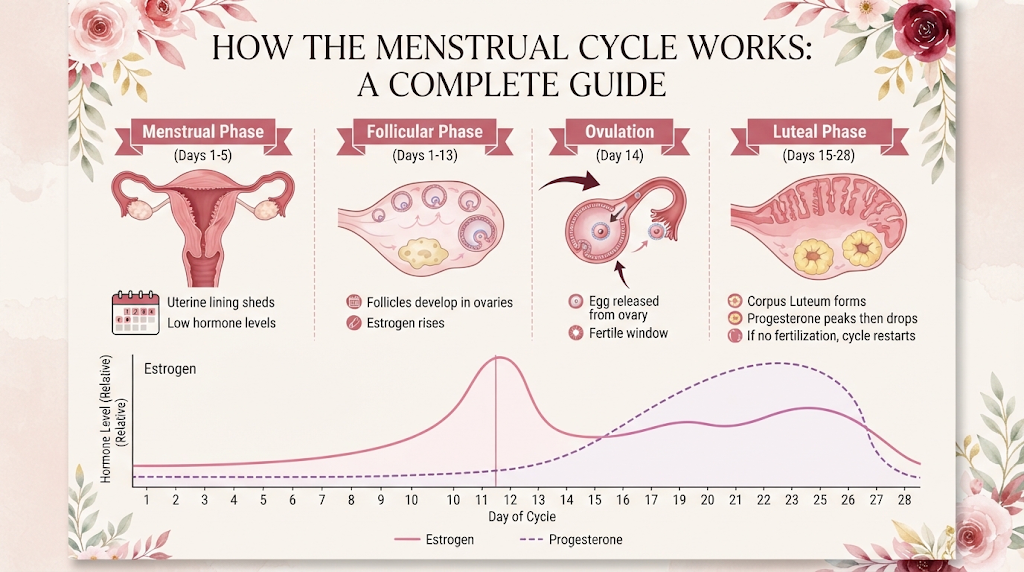
Spotting is light bleeding that is not heavy enough to fill a pad or tampon and is not part of a regular period. It appears as spots or streaks of blood on underwear or when wiping. Some spotting mid-cycle around ovulation is normal. Spotting before a period starts, particularly if it extends the apparent bleed by several days, can be associated with low progesterone. Persistent unexplained spotting between periods, after sex, or after menopause should always be assessed by a healthcare provider.
Knowing What Normal Looks Like Is the First Step to Noticing When Something Is Not. Mayno Is Here for Both.
Every woman deserves clear, honest information about her own body. If something about your period has changed, or has always felt off, that is worth exploring. Mayno gives you the knowledge to understand what you are experiencing and the confidence to seek care when you need it.
Visit mayno.health for women’s health information that takes you seriously.
This article is for informational purposes only and does not constitute medical advice. If you have concerns about your menstrual cycle or period symptoms, please consult a qualified healthcare professional. Mayno Health does not replace clinical care.
Disclaimer: This article is for informational purposes only and does not constitute medical advice. Always consult a qualified healthcare professional.