The menopause diet: foods that support hormone balance
At some point during the menopause transition, most women encounter a version of the same message: eat less, move more, cut carbs, try intermittent fasting, lose the belly fat. The language is dressed up in wellness terms, but the underlying frame is diet culture, and it is not helpful. It treats a changing body as a problem to be managed through restriction, and it piles shame onto a transition that is already asking a great deal of you.
This article takes a different starting point. Food is not a punishment or a performance metric. During menopause, it is one of the most accessible tools you have for supporting your body through a significant hormonal shift — for protecting your bones, managing inflammation, steadying your mood and energy, and reducing the severity of some of the most disruptive symptoms. That is not a diet. That is nourishment, and it looks different for different people eating different foods in different parts of the world.
What follows is evidence-informed and practically framed. There is no single eating pattern that works for every woman in menopause, but there are consistent nutritional principles that the research supports, and they are broad enough to be applied across a wide range of food traditions and preferences.
The most evidence-supported dietary approach for menopause focuses on adequate protein to protect muscle mass, calcium and vitamin D for bone health, anti-inflammatory foods to reduce joint pain and cardiovascular risk, fibre-rich foods to support gut health and oestrogen metabolism, and phytoestrogens from whole food sources where appropriate. No single food is magical, and no food group needs to be eliminated. The goal is a pattern of eating that supports a changing body, not a restrictive regime.
Why nutrition needs change during menopause
The hormonal changes of menopause affect metabolism, bone density, cardiovascular health, body composition, gut function, and mood. These are not separate problems to address with separate supplements. They are interconnected consequences of the same hormonal shift, and food is one of the most consistent levers for addressing all of them at once.
Oestrogen has a protective effect on bones, blood vessels, and muscle tissue. As it declines, all three become more vulnerable. The metabolic rate slows, insulin sensitivity decreases, and the body's ability to absorb and use certain nutrients, particularly calcium, changes. Eating in a way that compensates for these shifts is not about following a menopause-branded plan. It is about understanding what your body now needs more of, less of, and needs delivered differently.
There is no universally correct way to eat during menopause. There are principles, and those principles can be applied through Japanese food, West African food, Mediterranean food, South Asian food, or any other tradition. The goal is the pattern, not the prescription.
The nutritional priorities that matter most
Protein: the most underconsumed nutrient in menopause
Muscle mass declines more rapidly after menopause due to the loss of oestrogen's anabolic (muscle-building) effect and an age-related reduction in the muscle protein synthesis response to food. Adequate dietary protein is the primary nutritional counter to this. Research suggests that menopausal women benefit from higher protein intake than standard recommendations for younger adults — approximately 1.2 to 1.6 grams of protein per kilogram of body weight per day, distributed across meals rather than concentrated in one sitting.
Good sources include eggs, fish, poultry, lean meats, dairy products, legumes, tofu, tempeh, edamame, and combinations of plant proteins. Spreading protein across meals — rather than eating most of it in the evening — has been shown to stimulate muscle protein synthesis more effectively. This principle is culturally portable: dal and rice, fish and beans, eggs and vegetables, miso soup with tofu all contribute meaningfully to daily protein.
Calcium and vitamin D: bone protection from the plate
Bone density loss accelerates significantly in the years around menopause, and the window for protecting bone is time-sensitive. Calcium and vitamin D work together: calcium provides the structural material for bone, while vitamin D enables its absorption. Without adequate vitamin D, calcium cannot be used effectively regardless of intake.
Dietary calcium sources include dairy products, calcium-set tofu, canned fish with edible bones (such as sardines and salmon), almonds, sesame seeds and tahini, leafy green vegetables such as kale, bok choy, and broccoli, and fortified plant milks. Adults need approximately 700 to 1,200mg of calcium daily depending on age and country-specific guidelines.
Vitamin D is found in oily fish, egg yolks, and fortified foods, but dietary sources are insufficient for most people at latitudes above 35 degrees north or south. Sun exposure is the primary source, and supplementation (typically 1,000 to 2,000 IU daily) is recommended for most menopausal women, particularly those with darker skin or limited sun exposure. A doctor or dietitian can advise on appropriate dosing.
Anti-inflammatory foods: joints, heart, and mood
Oestrogen has anti-inflammatory properties. Its decline during menopause removes a natural buffer, which is why joint pain, cardiovascular risk, and even mood disruption increase in the menopause transition. A dietary pattern that reduces chronic inflammation is one of the most evidence-supported nutritional strategies for midlife women.
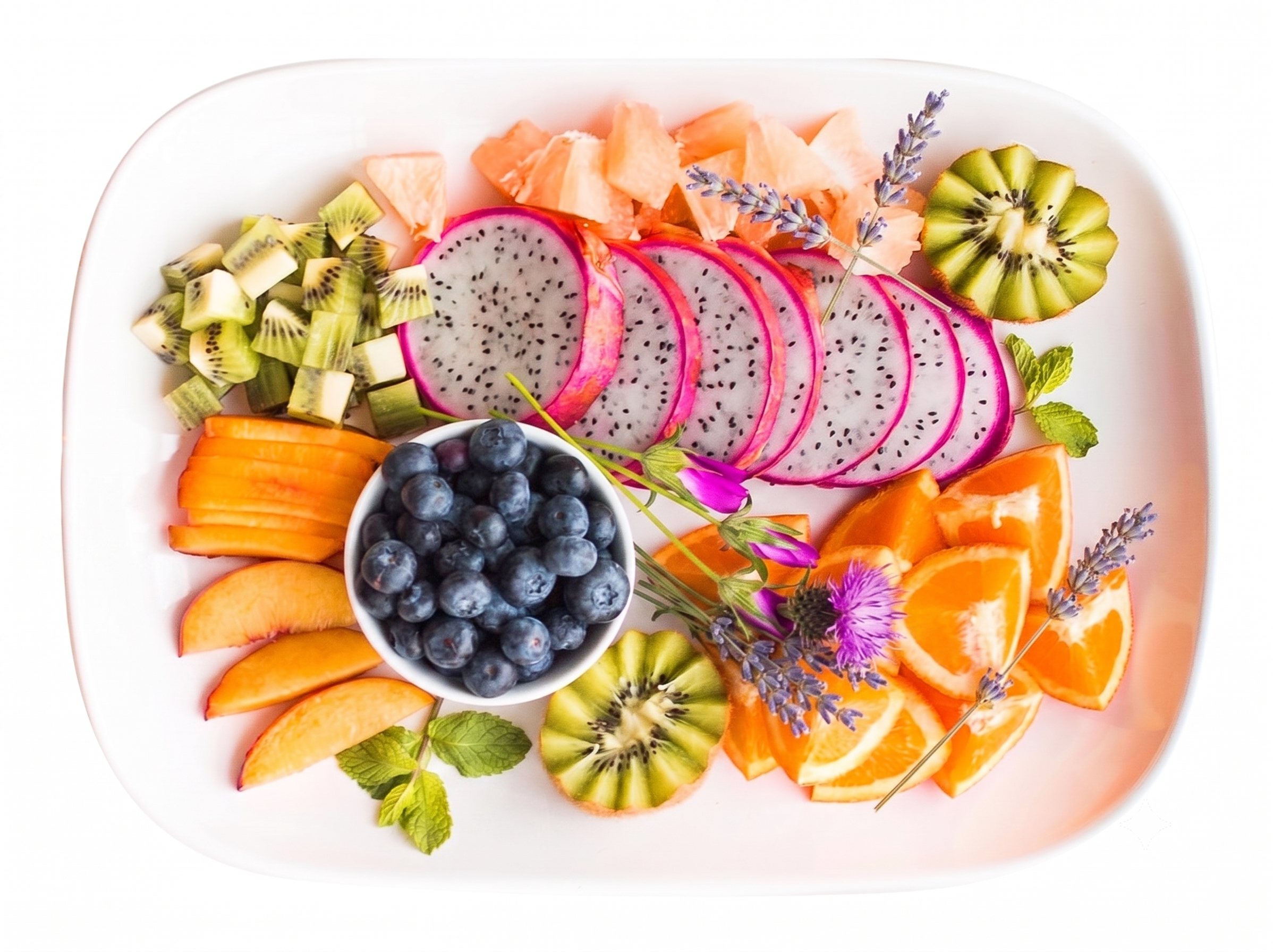
Anti-inflammatory eating is characterised by abundance rather than restriction. It emphasises oily fish (salmon, mackerel, sardines, herring) and plant sources of omega-3 fatty acids (flaxseeds, chia seeds, walnuts); colourful vegetables and fruits rich in polyphenols and antioxidants; extra virgin olive oil; nuts and seeds; legumes; whole grains; and herbs and spices including turmeric, ginger, garlic, and cinnamon. These ingredients appear across cuisines globally: in the fermented vegetables of Korean cooking, the turmeric-rich curries of South Asian food, the olive oil and legumes of Mediterranean cooking, and the oily fish traditions of Scandinavian, Japanese, and West African cuisines.
Fibre and gut health: the oestrogen connection
The gut microbiome plays a direct role in oestrogen metabolism through a collection of gut bacteria called the oestrobolome, which help process and recirculate oestrogen in the body. A diverse, fibre-rich diet supports a healthy oestrobolome, which in turn supports more stable oestrogen levels. This is not a marginal benefit: poor gut diversity is associated with more severe menopause symptoms and worse metabolic outcomes in midlife women.
Fibre-rich foods include vegetables, fruits, legumes, whole grains (such as oats, brown rice, quinoa, millet, teff, and sorghum), nuts, and seeds. Fermented foods, including yogurt, kefir, kimchi, sauerkraut, miso, and tempeh, add beneficial bacteria directly. Diversity matters more than volume: eating 30 or more different plant foods per week, which is more achievable than it sounds given that herbs, spices, nuts, and seeds all count, is associated with a significantly more diverse gut microbiome.
Phytoestrogens: food sources worth including
Phytoestrogens are plant compounds that interact weakly with oestrogen receptors in the body. The most studied are isoflavones, found in soy foods, and lignans, found in flaxseeds, sesame seeds, whole grains, and some fruits and vegetables. Research suggests that women who consume soy foods regularly as part of their diet, as is typical in Japan, Korea, and China, tend to report fewer hot flushes, though the mechanism and the degree of benefit vary individually.
The evidence is clearest for whole soy foods consumed as part of an overall diet rather than isolated isoflavone supplements. Edamame, tofu, tempeh, miso, soy milk, and natto are all good sources. Ground flaxseeds added to porridge, yogurt, or smoothies are one of the most practical ways to increase lignan intake. There is no evidence that moderate consumption of soy foods is harmful for most women, including those with a personal history of breast cancer, though anyone with this history should discuss it with their oncologist.
Blood sugar balance: eating for metabolic stability
Insulin sensitivity decreases during menopause, making blood sugar regulation more effortful. Meals that cause rapid blood glucose spikes followed by sharp drops can worsen fatigue, mood instability, sugar cravings, and brain fog. Eating for blood sugar stability does not mean eliminating carbohydrates. It means prioritising fibre-rich, minimally processed carbohydrates over refined ones; combining carbohydrates with protein and fat at meals to slow glucose absorption; eating regular meals rather than going long periods without food; and minimising ultra-processed foods, which tend to spike blood sugar quickly and provide little nutritional benefit.
This principle is achievable within any food culture: choosing brown rice over white, lentils over white bread, a piece of fruit over juice, or a meal with protein and vegetables over a meal of refined carbohydrates alone all apply this principle without requiring any particular cuisine.
What about foods to reduce?
The evidence does not support eliminating any food group during menopause. What it does support is reducing the things that most consistently worsen specific symptoms.
Alcohol worsens hot flushes, disrupts sleep, increases breast cancer risk, and interferes with bone metabolism. It is worth reducing rather than treating as neutral. Highly processed foods high in added sugars, refined flour, and seed oils contribute to inflammation and blood sugar instability without providing meaningful nutritional value. Excessive salt intake is associated with increased calcium loss through the kidneys, which is directly relevant to bone health. High caffeine intake can trigger hot flushes in some women and disrupts sleep.
None of these are absolute prohibitions. Context, quantity, and pattern matter far more than individual food events. A diet built primarily on whole foods, with alcohol and processed foods as occasional rather than daily components, is the practical aim.
Eating well across different food cultures
The evidence base for menopause nutrition draws heavily from Mediterranean and Japanese dietary research, which can give the impression that eating well during menopause requires adopting a specific culinary tradition. It does not. The underlying principles — abundance of vegetables, fruits, legumes, and whole grains; adequate protein from varied sources; anti-inflammatory fats; fermented foods; calcium-rich foods; minimal ultra-processing — appear in traditional food cultures across the world.
West African cooking is rich in beans, leafy greens, fish, and fermented ingredients. South Asian cuisine uses legumes, spices with anti-inflammatory properties, and yogurt extensively. East Asian food traditions incorporate soy, fermented vegetables, oily fish, and green tea. Latin American cooking features beans, corn, avocado, and tomatoes. Traditional Middle Eastern food emphasises olive oil, sesame, legumes, and vegetables. The task is not to change what you eat but to look at what is already in your food culture and understand what it is doing for your body.
Frequently asked questions
What foods help most during menopause?
No single food is transformative, but the categories that consistently show benefit are protein-rich foods for muscle preservation, calcium and vitamin D sources for bone protection, oily fish and other omega-3 sources for inflammation and cardiovascular health, fibre-rich plant foods for gut health and oestrogen metabolism, and whole soy foods if they suit your diet and health history for modest phytoestrogen benefit. Eating a wide variety of whole, minimally processed foods across these categories does more than optimising any single ingredient.
What is the best overall diet for managing menopause symptoms?
The dietary pattern with the broadest evidence for benefit in midlife women is one that emphasises whole and minimally processed foods, with plenty of vegetables, fruits, legumes, whole grains, and protein from varied sources including fish, soy, dairy, and lean meats, with extra virgin olive oil or other unsaturated fats as the primary cooking fat. This broadly describes a Mediterranean-style pattern, but the same principles appear across many traditional food cultures. The most important variable is the overall pattern over time, not individual meals or specific foods.
What foods should I avoid during menopause?
Rather than a list of forbidden foods, the most useful framing is to reduce the things associated with worse symptom burden and health outcomes: alcohol, which worsens hot flushes and disrupts sleep; ultra-processed foods, which drive inflammation and blood sugar instability; excessive added sugar, which exacerbates metabolic shifts; and excessive salt, which accelerates calcium loss from bone. These reductions are meaningful across the full menopause transition and into postmenopause. No whole food group needs to be avoided.
How significantly does diet affect menopause symptoms?
Diet has a meaningful but not total effect on menopause symptoms. It is unlikely to eliminate severe hot flushes or reverse significant hormonal disruption on its own. What the evidence consistently shows is that dietary patterns affect inflammation levels, metabolic health, bone density trajectory, gut microbiome diversity, and overall symptom burden in ways that compound over months and years. For women who want to do everything they can to support their body through menopause, nutrition is one of the highest-leverage areas available alongside sleep, movement, and, where appropriate, medical treatment.
Mayno is here to support you through every dimension of the menopause transition, including how you nourish yourself. Track your symptoms, explore what is working for your body, and access guidance that meets you where you are, without judgment, without restriction, and without the noise.
Disclaimer: This article is for informational purposes only and does not constitute medical advice. Always consult a qualified healthcare professional.