Restless legs syndrome and menopause
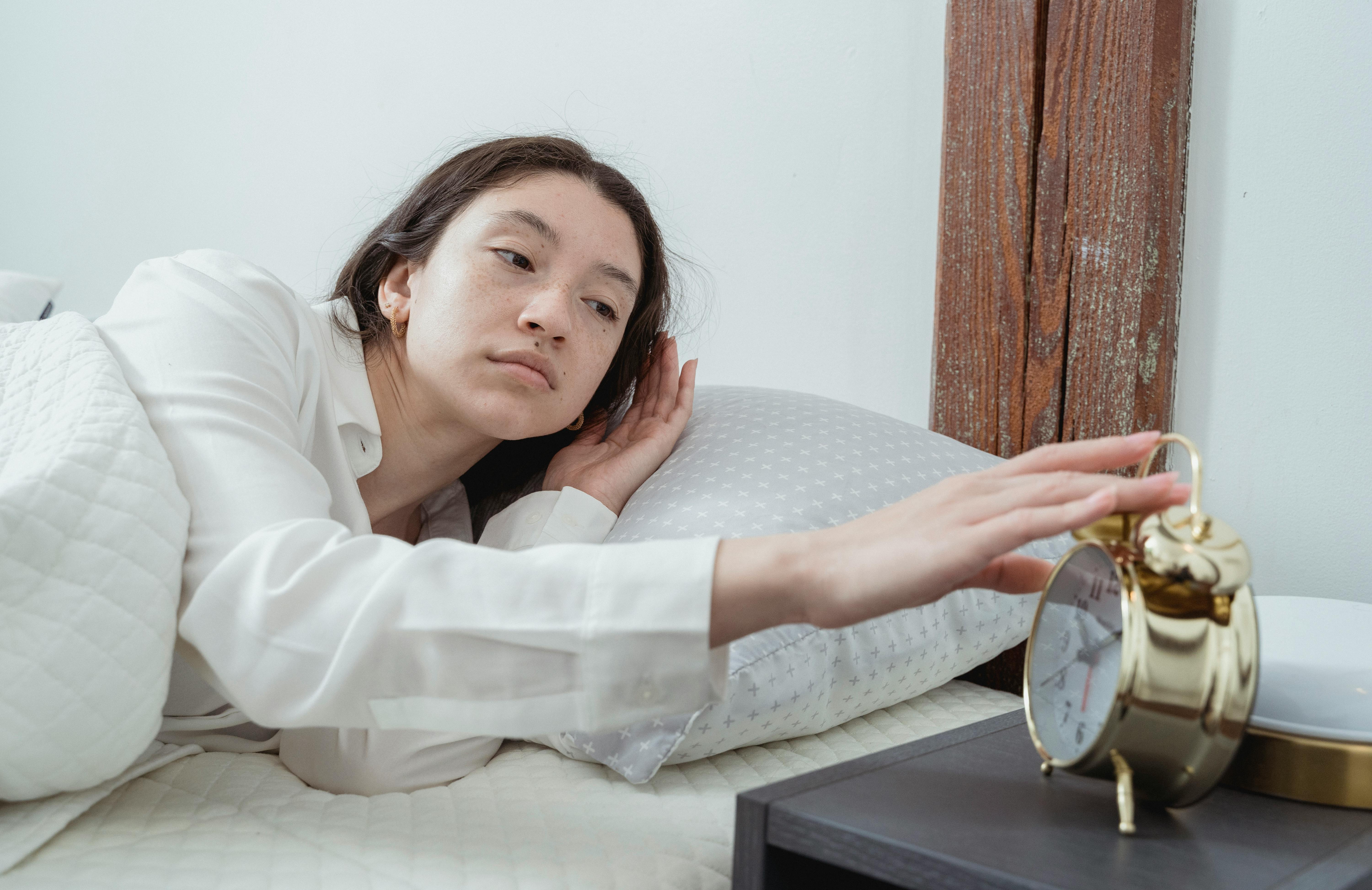
It starts the moment you finally lie down. A crawling, pulling, buzzing discomfort deep in your calves or thighs that is impossible to ignore and impossible to describe precisely to anyone who has not felt it. Moving your legs brings brief relief, which makes rest impossible. You get up, pace, stretch, lie back down, and it starts again. By two in the morning you are exhausted and furious in equal measure, your partner is asleep beside you, and the night feels very long.
Restless legs syndrome is not a minor inconvenience. For the women who experience it, particularly those whose symptoms have worsened or appeared for the first time during perimenopause, it is one of the most relentless and demoralising aspects of the entire transition. It steals sleep, compounds fatigue, and because it sounds almost comical when described in daylight, it rarely gets the serious clinical attention it deserves.
If this is your experience, this article is for you. The connection between RLS and menopause is real, the causes are identifiable, and there are evidence-based options for making it better.
Restless legs syndrome (RLS) is a neurological condition characterised by an irresistible urge to move the legs, usually accompanied by uncomfortable sensations, that worsens at rest and in the evening. It becomes more common during perimenopause and menopause, driven by hormonal changes, disrupted dopamine signalling, and frequently by iron deficiency, which is more prevalent in midlife women. Effective treatments exist, ranging from addressing nutritional deficiencies to lifestyle changes to medication.
What is restless legs syndrome?
Restless legs syndrome is classified as a neurological sensorimotor disorder. Despite its name, the problem originates in the brain and nervous system, not the legs themselves. The sensations people describe vary: creeping, crawling, pulling, itching, burning, or an electric-feeling restlessness that is located deep in the legs, usually the calves, thighs, or feet. Some women also experience it in their arms.
Four features define RLS clinically. First, an urge to move the legs, usually associated with uncomfortable sensations. Second, symptoms that begin or worsen during rest or inactivity. Third, partial or temporary relief from movement. Fourth, symptoms that are worse in the evening or at night. This evening and nighttime pattern is what makes RLS so damaging to sleep. The very act of trying to rest triggers the condition.
RLS affects around 10 percent of the general population, with women significantly more affected than men. Prevalence increases with age, and research consistently shows that rates climb during perimenopause and remain elevated in postmenopause. For some women, symptoms that were occasional and manageable before menopause become chronic and severe during the transition.
Why does menopause make RLS more likely or more severe?
The menopause connection to RLS runs through several overlapping mechanisms, and for most women it is not a single cause but a combination.
Dopamine and oestrogen. RLS is fundamentally a disorder of the dopamine system. Dopamine, the neurotransmitter involved in movement control and reward, is disrupted in people with RLS, and the brain's dopamine pathways do not function normally in the evening, which is why symptoms worsen at night. Oestrogen plays a role in dopamine regulation. As oestrogen declines during perimenopause, dopamine signalling becomes less stable, which may lower the threshold for RLS symptoms to emerge or worsen in women who were already susceptible.
Iron deficiency. Iron is essential for dopamine synthesis. Low iron, even at levels that do not cause clinical anaemia, is one of the most consistently identified contributors to RLS. Women in perimenopause are at elevated risk of iron deficiency for several reasons: heavy or irregular periods can cause significant blood loss over time, and dietary iron intake is often inadequate. Crucially, standard blood tests can show iron levels within the normal range while ferritin (stored iron) remains low enough to worsen RLS. If you have RLS and have not had your ferritin specifically tested, this is an important conversation to have with your doctor.
Sleep disruption and circadian disruption. Night sweats, insomnia, and fragmented sleep are all common in menopause, and sleep deprivation is a known RLS trigger. The relationship is bidirectional: RLS disrupts sleep, and poor sleep makes RLS worse. Once this cycle is established it can be difficult to unpick without addressing both ends simultaneously.
Magnesium and vitamin D. Both magnesium and vitamin D have roles in nerve function and muscle regulation, and deficiency in either has been associated with RLS in some studies. Deficiencies in both are common in midlife women, and while the evidence is not definitive, correcting them is low-risk and worthwhile.
RLS in menopause is rarely caused by a single factor. Investigating the full picture, including iron, magnesium, vitamin D, sleep quality, and hormonal status, gives the best chance of meaningful improvement.
What are the evidence-based treatment options?
Treatment for RLS in menopause works best when it addresses the underlying contributors rather than symptoms alone. The options below range from first-line investigations and lifestyle changes through to medical interventions.
Test and treat iron deficiency
This should be the first step for any woman with RLS, particularly if she is in perimenopause with heavy or irregular periods. Ask your doctor to test serum ferritin specifically, not just total iron or haemoglobin. A ferritin level below 75 micrograms per litre is considered potentially relevant to RLS even if it falls within the standard reference range. Iron supplementation, under medical guidance, has been shown in clinical trials to reduce RLS symptom severity when ferritin is low. Oral iron supplements are typically the first approach, though intravenous iron is available for those who cannot tolerate oral forms or need faster results.
Lifestyle adjustments that reduce symptom load
Several habits consistently make RLS worse: caffeine, alcohol, and nicotine all affect dopamine and nervous system function and are worth reducing or eliminating, particularly in the hours before bed. Vigorous exercise earlier in the day can help, but intense exercise close to bedtime can trigger symptoms. Warm baths, leg massage, and stretching before bed offer temporary relief for some women. Keeping a consistent sleep schedule and managing the sleep environment for menopause (cool temperature, appropriate bedding) reduces the overall sleep disruption that amplifies RLS.
Magnesium and vitamin D
Both are worth checking through a blood test. Supplementing deficiencies is low-risk and may reduce symptom frequency and severity, particularly for women whose RLS has a muscular or nerve-related component. Magnesium glycinate or magnesium citrate are typically better tolerated than magnesium oxide. Dosing should be guided by your doctor or a pharmacist familiar with your health history.
Hormone replacement therapy
There is limited but suggestive evidence that HRT may improve RLS symptoms in women whose condition has worsened during menopause, likely through its effect on dopamine regulation and sleep quality. For women already considering HRT for other menopause symptoms, the potential benefit to RLS is an additional consideration worth raising with a doctor. HRT is not a dedicated RLS treatment, but its indirect effects on sleep and neurological function can contribute to improvement.
Prescription medications
For moderate to severe RLS that does not respond to the above, several prescription medications have established efficacy. Dopamine agonists (such as pramipexole and ropinirole) are commonly used and work by directly supporting dopamine signalling. Gabapentinoids (such as gabapentin and pregabalin) are increasingly preferred as a first-line option in many countries, as they carry a lower risk of a phenomenon called augmentation, where dopamine agonists can over time worsen the condition they were treating. Low-dose opioids are used in refractory cases in some settings. These medications require a prescription and should be managed by a doctor with experience in RLS, as their risks and benefits differ by individual health profile and medication history.
Frequently asked questions
Can menopause cause or worsen restless legs syndrome?
Yes. Menopause is associated with both new-onset RLS and a worsening of pre-existing symptoms. The connection is driven by hormonal changes that affect dopamine regulation, by iron deficiency that becomes more prevalent during perimenopause due to heavy periods and dietary factors, and by the sleep disruption that menopause brings, which itself worsens RLS. Women are already more likely than men to experience RLS, and the hormonal transition of menopause increases that risk further. RLS that appears or intensifies during perimenopause is not a coincidence, and it warrants investigation rather than acceptance.
Why do women get restless legs more often in menopause?
Several factors converge during menopause to raise RLS risk. Declining oestrogen affects dopamine pathways, which are already implicated in the neurological mechanism of RLS. Heavy or irregular perimenopausal periods can deplete iron stores, and low ferritin is one of the strongest modifiable risk factors for RLS. Poor sleep, driven by night sweats and anxiety, creates a cycle that amplifies symptoms. Vitamin D and magnesium deficiencies, common in midlife, also play a role in nerve and muscle function. The result is that a woman who has never had RLS before may develop it for the first time in her 40s, and one who had occasional mild symptoms may find them becoming chronic.
How is restless legs syndrome treated in menopause?
Treatment typically begins with investigating and correcting nutritional deficiencies, particularly low ferritin, which is a highly treatable contributor. Lifestyle changes including reducing caffeine and alcohol, adjusting the timing and intensity of exercise, and improving sleep hygiene all help reduce symptom frequency. Magnesium and vitamin D supplementation is appropriate if deficiencies are confirmed. For women for whom these measures are insufficient, prescription options including dopamine agonists and gabapentinoids have strong evidence for symptom reduction. HRT may also contribute to improvement indirectly. Treatment is most effective when it is tailored to the individual's specific contributing factors rather than applied generically.
Does iron deficiency worsen RLS in menopause?
Yes, and this is one of the most clinically important and frequently missed connections in RLS management. Iron is required for the production of dopamine, and low iron, particularly low ferritin (stored iron), impairs the dopamine pathway that RLS disrupts. Women in perimenopause who have had heavy or prolonged periods are at particular risk of ferritin depletion even when their full blood count appears normal. Research has shown that raising ferritin levels above approximately 75 micrograms per litre significantly reduces RLS severity in many patients. If you have RLS and your ferritin has not been specifically tested, or if it was tested and reported as normal without the specific number being given, ask your doctor to check the ferritin value and discuss it in the context of RLS.
Mayno is built to help you track and make sense of every symptom of the menopause transition, including the ones that keep you awake at night. If restless legs are part of your picture, log them alongside your other symptoms and let Mayno help you see the patterns. Better nights are possible. You do not have to simply endure this.
Disclaimer: This article is for informational purposes only and does not constitute medical advice. Always consult a qualified healthcare professional.