Surgical menopause: what to expect when menopause is medically induced

There is a particular kind of disorientation that comes with surgical menopause. For some women, it arrives alongside a cancer diagnosis or a long-fought battle with endometriosis or fibroids, making it one loss layered on top of many others. For others, it comes as a surprise: a surgery that was described in terms of what it would fix, with less attention given to what it would change hormonally. However you arrived here, one thing is consistent: surgical menopause moves fast, it can feel overwhelming, and it is poorly understood by many of the people around you, sometimes including your own medical team. You deserve a clear, honest account of what is happening in your body and what can help.
Surgical menopause occurs when both ovaries are removed in an operation called a bilateral oophorectomy, causing an abrupt drop in oestrogen, progesterone, and testosterone. Unlike natural menopause, which unfolds gradually over years, surgical menopause is immediate. Symptoms typically begin within days of the operation and are often more intense than those of natural menopause. Effective treatment is available, and starting it promptly makes a significant difference.
What is surgical menopause?
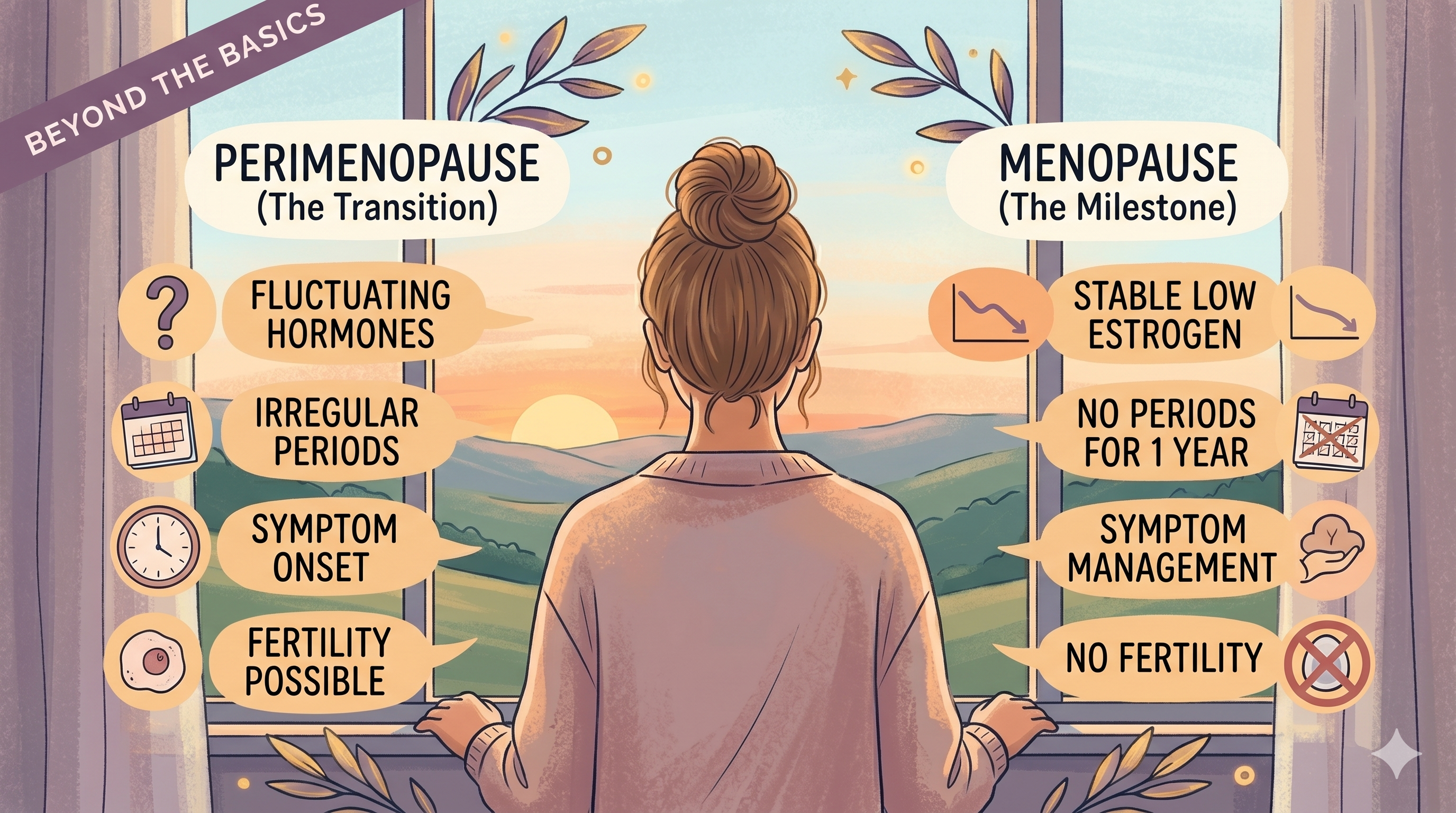
Surgical menopause is distinct from natural menopause in one fundamental way: it is not a gradual transition but an abrupt one. In natural perimenopause, the ovaries wind down slowly over several years, giving the body time to adjust incrementally to declining hormone levels. In surgical menopause, that process is compressed into a matter of days.
The surgery most directly associated with surgical menopause is a bilateral oophorectomy, the removal of both ovaries. This can be performed as a standalone procedure or as part of a hysterectomy (removal of the uterus). It is important to understand that a hysterectomy alone, without removal of the ovaries, does not cause surgical menopause. If your ovaries are retained, they continue producing hormones, and you will go through natural menopause at whatever age your biology determines.
Bilateral oophorectomy is performed for a range of reasons: to treat ovarian cancer, as a risk-reducing measure for women with BRCA gene mutations, to manage severe endometriosis, or to address other ovarian conditions. In some cases, it is planned in advance and discussed thoroughly before surgery. In others, the decision is made during or after an operation for a different primary purpose, and the hormonal consequences may not have been fully explained beforehand.
Some women also experience what is sometimes called chemical or medical menopause, which is induced through medications rather than surgery, typically as part of treatment for hormone-sensitive conditions such as breast cancer or endometriosis. This article focuses primarily on surgical menopause from oophorectomy, but many of the principles apply across medically induced menopause more broadly.
Why is surgical menopause more intense than natural menopause?
In natural perimenopause, oestrogen declines gradually and erratically over a period of years. The body has time to adapt, however imperfectly. Blood vessels learn to compensate. The brain recalibrates. Even when the transition is difficult, it is still a transition.
In surgical menopause, oestrogen drops from normal premenopausal levels to near zero within 24 to 48 hours of the ovaries being removed. There is no gradual adjustment. Every system that relies on oestrogen, and that includes the brain, the cardiovascular system, bone, the genitourinary tract, and the thermoregulatory system, receives an abrupt signal that something fundamental has changed.
The speed of hormonal change in surgical menopause is the primary reason symptoms are typically more severe and appear more rapidly than in natural menopause. Intensity does not reflect weakness. It reflects physiology.
Because the ovaries also produce testosterone, its removal simultaneously reduces testosterone levels, which can affect libido, energy, motivation, and a general sense of vitality in ways that are distinct from oestrogen loss alone.
What symptoms should you expect, and when?
Symptoms of surgical menopause typically begin within the first few days after surgery, though the timing can vary depending on the individual and whether hormonal treatment is started immediately post-operatively.
Hot flushes and night sweats are among the earliest and most common symptoms, often beginning within a week of surgery. They can be frequent and intense, including at night, and are a significant contributor to the sleep disruption many women experience post-operatively.
Mood changes including low mood, anxiety, tearfulness, and irritability can appear quickly and may feel disproportionate to circumstances. This is a direct neurological response to the sudden withdrawal of oestrogen, which plays a significant role in regulating neurotransmitters including serotonin and dopamine.
Cognitive changes such as difficulty concentrating, word-finding problems, and what is often described as brain fog can emerge in the weeks following surgery. These can be particularly distressing for women who were not warned to expect them.
Vaginal dryness and genitourinary symptoms often develop in the weeks to months following surgery. Vaginal tissue relies on oestrogen to maintain its health and elasticity. Without it, dryness, discomfort, and urinary changes can develop and worsen over time if not treated.
Joint pain and muscle aches are less commonly discussed but frequently reported. Oestrogen has anti-inflammatory properties, and its sudden withdrawal can trigger joint pain that may be mistakenly attributed to surgical recovery.
Bone density loss begins accelerating immediately after oophorectomy, particularly in women who are premenopausal at the time of surgery. This is one of the strongest reasons for starting hormone replacement therapy promptly.
The timeline and severity of all these symptoms is highly individual, and starting hormonal treatment can significantly reduce or prevent many of them.
What treatment options are available?
Hormone replacement therapy is the primary and most evidence-supported treatment for surgical menopause. Unlike natural menopause, where HRT is a choice to be weighed carefully against risk factors, for most women who have surgical menopause before the natural age of menopause, HRT is generally strongly recommended. The reasoning is straightforward: removing the ovaries creates a hormonal deficit that carries real risks to bone, cardiovascular, and cognitive health. HRT replaces what surgery has removed.
For women who have had their uterus removed alongside their ovaries, oestrogen-only HRT is typically prescribed. Women who retain their uterus require combined HRT, which includes both oestrogen and a progestogen, to protect the uterine lining. The type, dose, and route of HRT (patches, gel, tablets, implants) will depend on individual health history, personal preference, and the guidance of your healthcare provider.
Testosterone therapy is also frequently relevant in surgical menopause, given that both ovaries, the primary source of testosterone in premenopausal women, have been removed. Symptoms of low testosterone, including reduced libido, low energy, and reduced sense of wellbeing, are common after bilateral oophorectomy. Testosterone can be prescribed in addition to oestrogen-based HRT and is available in various forms depending on your country and prescriber. Availability and prescribing practices vary internationally, so it is worth specifically asking your doctor about this option.
Localised vaginal oestrogen is also relevant for genitourinary symptoms and can be used in addition to systemic HRT. It is delivered directly to vaginal tissue and has a very low systemic absorption, meaning it is considered safe for most women including those who cannot take systemic hormones.
For women who cannot use hormonal treatments, for example due to hormone-sensitive cancers, non-hormonal options including certain antidepressants, gabapentin, and cognitive behavioural therapy have evidence for symptom management. These are not equivalent to HRT in terms of addressing the underlying hormonal deficit, but they can meaningfully improve quality of life. A specialist menopause clinic or oncology team is the most appropriate source of advice in these situations.
What about emotional and psychological support?
Surgical menopause does not happen in isolation. It happens in the context of a diagnosis, an operation, a health scare, or a difficult reproductive history. For many women, there is grief involved: grief for fertility, for the body as it was, for the future that was imagined. That grief is legitimate and it takes time.
Psychological support, whether through a therapist, a peer support group, or a menopause specialist who takes the emotional dimension seriously, is as relevant as physical treatment. Some women find that the emotional difficulty of surgical menopause is the part they were least prepared for. Naming that experience honestly, rather than pushing through it, is part of recovery.
Frequently asked questions
Does a hysterectomy always cause menopause?
No. A hysterectomy, which is the removal of the uterus, only causes surgical menopause if the ovaries are also removed at the same time. If your ovaries are left in place during a hysterectomy, they continue producing oestrogen and other hormones, and you will go through menopause naturally at whatever age your biology determines. However, some women who retain their ovaries after a hysterectomy do notice that natural menopause arrives a few years earlier than might otherwise have been expected. This may be related to changes in blood supply to the ovaries during surgery.
Why is surgical menopause more intense than natural menopause?
In natural menopause, oestrogen declines gradually over a period of years, giving the body time to adapt incrementally. In surgical menopause, both ovaries are removed at once, causing oestrogen, progesterone, and testosterone to drop from normal premenopausal levels to near zero within 24 to 48 hours. The body has no time to adjust. This sudden hormonal withdrawal is what drives the intensity and rapid onset of symptoms. Hot flushes, mood changes, and cognitive symptoms can begin within days. Hormone replacement therapy, when started promptly, can significantly reduce this impact.
What is the treatment for surgical menopause?
Hormone replacement therapy is the primary treatment and is generally strongly recommended for women who undergo surgical menopause before the natural age of menopause, because the health risks of untreated premature oestrogen deficiency are significant. The specific type of HRT will depend on whether the uterus has also been removed: oestrogen-only HRT for those without a uterus, combined HRT for those who retain one. Testosterone therapy is also commonly recommended alongside HRT, given the loss of the ovaries as the main testosterone source. Localised vaginal oestrogen addresses genitourinary symptoms. For women who cannot use hormonal treatments, non-hormonal options and specialist support are available.
How quickly do symptoms start after surgical menopause?
Symptoms typically begin within the first few days after both ovaries are removed, though some women notice changes within 24 to 48 hours. Hot flushes and mood changes are often among the earliest symptoms to appear. Sleep disruption, cognitive changes, and joint discomfort can follow in the subsequent days and weeks. Vaginal dryness and genitourinary symptoms tend to develop more gradually over weeks to months. If HRT is started immediately after surgery or shortly afterwards, the onset and severity of symptoms can be significantly reduced. The speed of onset depends on individual factors including age, health status, and whether any hormonal treatment is initiated perioperatively.
Mayno is here for the full picture of menopause, including surgical menopause. If you are newly post-operative and trying to make sense of what is happening in your body, or you are months or years into this transition and still looking for answers, Mayno offers personalised support, symptom tracking, and guidance grounded in your specific experience. You are not navigating this alone.
Disclaimer: This article is for informational purposes only and does not constitute medical advice. Always consult a qualified healthcare professional.